 Save to Pinterest
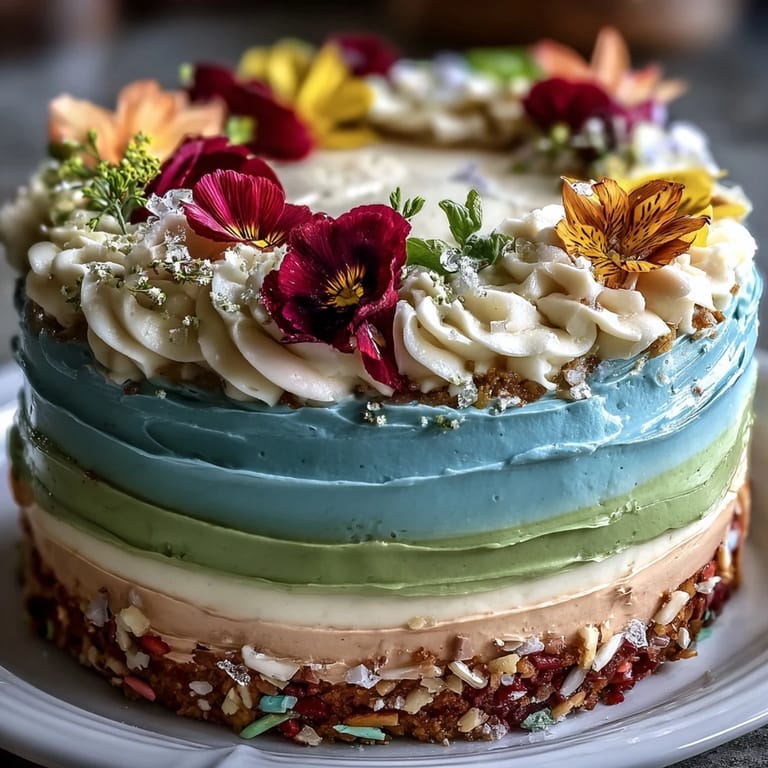
 The first spark for this pastel ombre spring cake came unexpectedly—while wandering a farmers market, I spotted heaps of edible flowers, their colors whispering of spring. Around me, sticky fingers and laughter tangled in the air and I suddenly imagined those delicate petals crowning a cake layered in soft hues. Baking this dessert always feels like inviting sunshine into the kitchen. The way butter and vanilla warm up the room is half the pleasure. If you crave beauty in everyday moments, this is a recipe worth trying.
I baked this cake for a friend's birthday one mild April afternoon, and the moment everyone saw the pastel layers stacked beneath the crown of flowers, there was a hush, then a chorus of delighted gasps. We sliced into the cake, and the inside looked like ribbons of sunlight. It was one of those rare times when the dessert started conversations—about gardens, about colors, even about old spring dances. My kitchen was left splattered in pastel, but it felt like the messiest kind of happiness.
Ingredients
- All-purpose flour: Sifting flour before mixing prevents lumps and keeps the layers soft, so don't skip that step.
- Unsalted butter: Softened butter is crucial for fluffy cake texture; cold butter makes everything dense, so let it sit out.
- Granulated sugar: Creaming sugar thoroughly with butter makes the crumb light—they should look pale and airy together.
- Eggs: Room temperature eggs incorporate smoothly without curdling; I usually leave mine in a bowl of warm water for a few minutes.
- Vanilla extract: Good vanilla turns every layer fragrant; I learned that even a drop extra goes a long way.
- Whole milk: Room temperature milk prevents the batter from splitting—pouring cold milk is a common mistake.
- Gel food coloring: Choose pastel pink, yellow, green, or blue; gel coloring mixes gently without thinning batter or frosting.
- Powdered sugar: Sifted powdered sugar makes buttercream smooth and dreamy—clumps ruin the finish.
- Edible flowers: Use organic, labeled edible varieties; pansies, violas, and chamomile work beautifully, but always check for allergies.
Tired of Takeout? 🥡
Get 10 meals you can make faster than delivery arrives. Seriously.
One email. No spam. Unsubscribe anytime.
Instructions
- Prepare the pans and oven:
- Heat up your kitchen by preheating to 350°F (175°C). Grease and line three 8-inch pans with parchment, making sure they're ready for easy release.
- Mix the dry ingredients:
- In a medium bowl, whisk flour, baking powder, baking soda, and salt together—the little cloud of flour is part of the charm.
- Cream butter and sugar:
- Beat the butter and sugar until it's light and fluffy, about 3 minutes, so your fingers know the mixture has air in it. Add eggs individually and mix after each, then stir in vanilla for that floral aroma.
- Combine wet and dry:
- Alternate the flour mixture and milk, beginning and ending with flour; mix gently to keep batter airy and just combined—don't overmix.
- Color the batter:
- Split the batter into three bowls, tint each a different pastel with gel coloring, and stir softly to create a gradient effect without streaks.
- Bake the layers:
- Pour colored batter into prepared pans and bake for 25–30 minutes. When a toothpick comes out clean, cool for 10 minutes before turning onto racks.
- Make the buttercream:
- Beat butter until creamy, then add powdered sugar gradually; blend in vanilla and milk or cream until fluffy. Divide and tint to match cake layers for ombre frosting, adding the color gently.
- Assemble and frost:
- Level cooled cakes if needed, then stack with buttercream between layers. Apply a crumb coat, chill, and frost with gently blended ombre shades for that sunrise look.
- Add the floral topper:
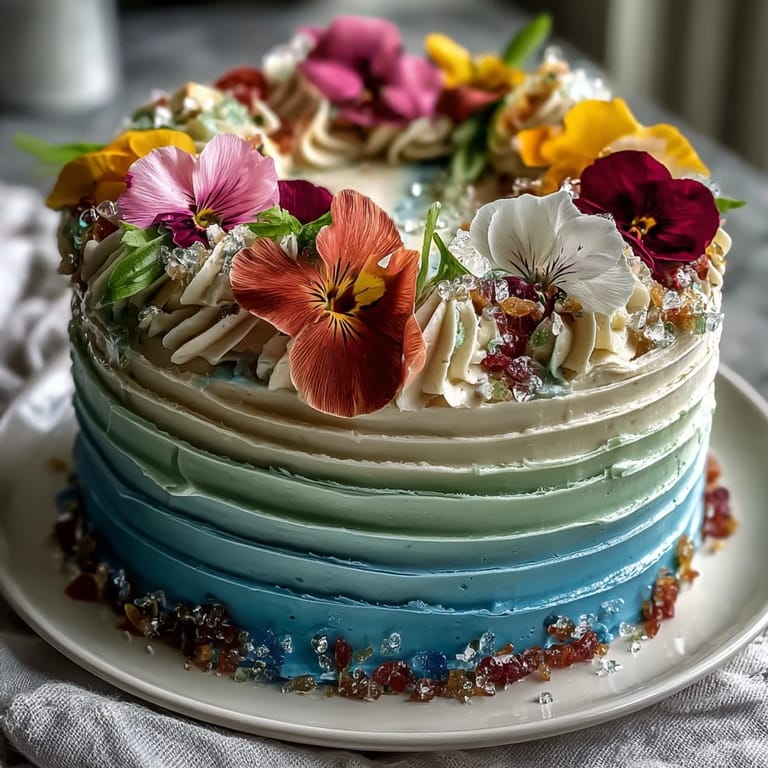
- Right before serving, decorate the top with a scattering of edible flowers, pressing them softly for a whimsical finish.
 Save to Pinterest
 There was a moment during last year's spring brunch when everyone paused mid-bite, just watching the petals settle on top. It felt as though the room was sharing a daydream, and that cake became the centerpiece of more than just the table—it anchored memories of laughter and warmth.
How Pastel Ombre Changed My Decorating Game
Using an offset spatula and turning the cake slowly made swirling pastel buttercream much easier—it's almost meditative. Even the mistakes blend in, and you end up with soft gradients that never look identical but always feel pretty. I realized perfection is overrated; the ombre is forgiving and forgiving is beautiful.
Choosing Edible Flowers
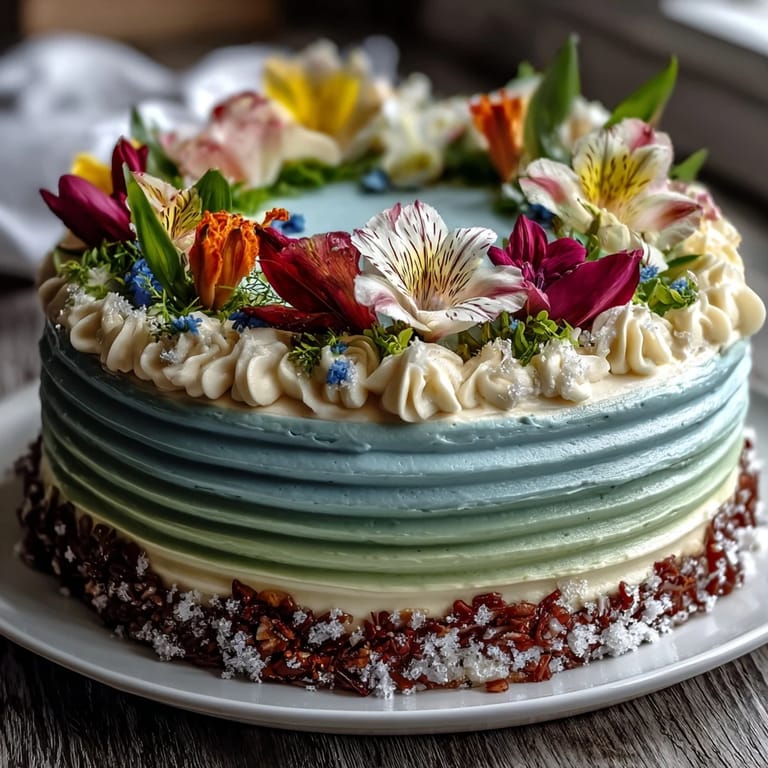
Shopping for edible flowers taught me to always ask vendors about origin and safety. Not all pretty blooms are edible, and some can taste peppery or herbal, shifting the cake's final flavor subtly. I like to mix delicate petals with stronger ones for contrast, but always check allergies among guests.
Ombre Frosting Tricks That Help Every Time
Dividing the buttercream before coloring saves a lot of mess, and chilling between coats stops colors from blending too much. If your kitchen is warm, a quick fridge break helps texture and makes the colors pop.
- If the frosting gets too soft, chill it for five minutes before spreading.
- Don't rush the blending—gentle swirling looks prettiest.
- Flowers should go on just before serving for maximum freshness.
 Save to Pinterest
 Whether you bake for the colors or the shared joy, this pastel ombre spring cake finds its place in every celebration. May your kitchen smell of vanilla and soft butter, and your cake always leave a little magic behind.
Frequently Asked Recipe Questions
- → How do I achieve smooth ombre cake layers?
Divide batter and tint each portion with a pastel shade, mixing gently. Bake separately for clean ombre layers.
- → What kind of edible flowers are best?
Opt for organic pansies, violas, roses, or chamomile. Confirm all flowers are edible and pesticide-free.
- → Can I use liquid food coloring for the cake?
Gel food coloring is recommended; it creates vibrant pastels without thinning batters or frosting.
- → How is the floral topper applied?
Arrange edible flowers gently on top of the cake after frosting. Add just before serving for freshness.
- → Is there a vegan alternative?
Use plant-based butter, milk, and egg replacers to accommodate a vegan diet.
- → What tools help with frosting the cake?
Offset spatulas, cake turntable, and electric mixer make blending and decorating easier and more precise.