 Save to Pinterest
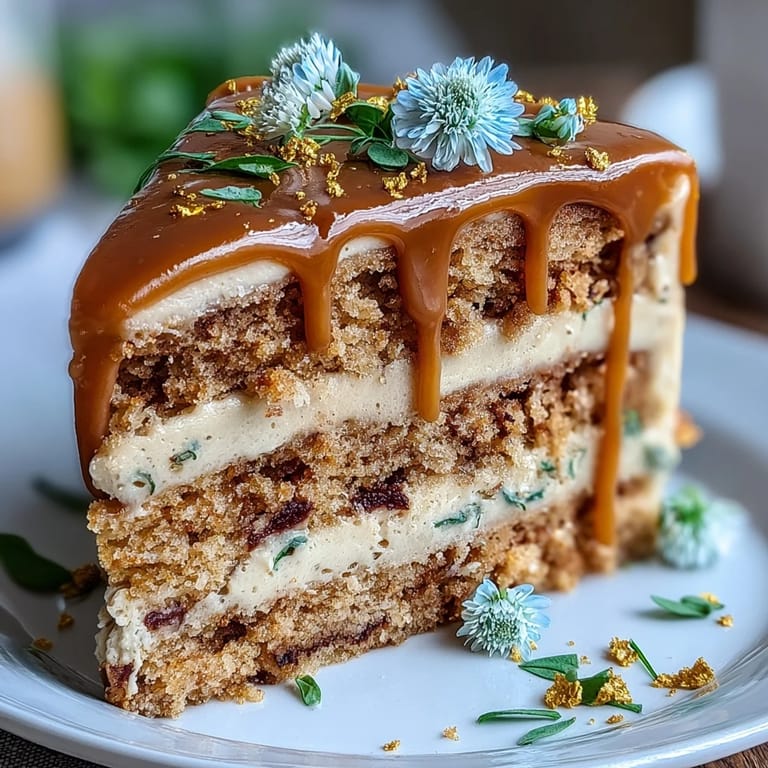
 There's something about baking a cake that quiets every other noise in my kitchen. When I first decided to try a Taurus-inspired butterscotch cake, I didn't know floral earth tones would transform my counter into a painter's palette. The entire house filled with buttery brown sugar and the faint scent of rose as the batter came together. Each layer baked up rich and golden, promising the kind of celebration that feels deeply rooted and quietly beautiful. Even before adding the edible blooms, I knew this one would be special.
I first whipped up this cake for a friend's astrology-themed dinner, where every sign had its own tiny dessert. Standing in my kitchen, hands sticky from butter and sugar, I laughed as the colorants dusted my apron and the cat kept investigating the edible flowers. Decorating it with herbs and petals felt like arranging a wild bouquet, and my guests spent as much time admiring as they did eating.
Ingredients
- All-purpose flour: Go for unbleached if you can – it helps the cake keep its mellow, earthy taste and I always sift to avoid lumps.
- Baking powder and baking soda: I've learned not to skip the soda – it keeps things light and tender.
- Unsalted butter: Room temperature is vital, or the cake batter can look split – be patient here.
- Brown sugar: I use dark brown for a deeper caramel note, and packing it tight makes all the difference in flavor.
- Eggs: Crack each one into a small bowl first, in case a rogue shell tries to sneak in.
- Vanilla extract: Pure is always best, but homemade vanilla sugar has added a little extra warmth when I've had it on hand.
- Sour cream or plain yogurt: Never rush adding the sour cream – it brings necessary tang and keeps everything moist for days.
- Whole milk: Add slowly to help the batter stay smooth, not stodgy; once I added too quick and regretted the lumps.
- Butterscotch sauce: Cooling it fully before folding into the batter makes every layer taste wondrously buttery.
- Powdered sugar: Sifted before adding to buttercream, or risk pockets of sugar explosion – trust me!
- Rose water: Measure carefully – a little too much and you'll feel like you're eating perfume.
- Dried lavender (optional): If you use it, grind it super fine – I once forgot and people picked out little bits!
- Natural colorants: Start with less than you think you’ll need; the color develops as it sits.
- Edible flowers and fresh herbs: Always check they're culinary-safe and unsprayed; I look for organic when possible.
Tired of Takeout? 🥡
Get 10 meals you can make faster than delivery arrives. Seriously.
One email. No spam. Unsubscribe anytime.
Instructions
- Prep your pans and oven:
- Set your oven to 350°F and line three 8-inch pans with parchment, making sure to lightly grease so nothing clings later.
- Make butterscotch sauce:
- In a small saucepan, melt butter and brown sugar until everything bubbles with a toffee aroma, then whisk in cream and let it simmer fragrant and glossy. Stir in vanilla and salt, then cool completely – resist the temptation to rush.
- Mix the dry stuff:
- In a medium bowl, whisk flour, baking powder, baking soda, and salt together until combined and soft.
- Cream butter and sugar:
- In your largest mixing bowl, beat butter and brown sugar for a few minutes until pale and airy, then blend in eggs one at a time followed by vanilla.
- Add tang and butterscotch:
- Stir in sour cream and 1/2 cup cooled butterscotch sauce; pause and breathe in that caramel note.
- Build the batter:
- Alternate adding the dry ingredients and milk to your wet mixture, starting and ending with the dry; mix until just smooth to avoid tough cake.
- Divide and bake:
- Scrape batter evenly into pans and bake for 28–35 minutes – the cake tops should spring back and a toothpick come out mostly clean.
- Cool the cakes:
- Let cakes rest in their pans for 10 minutes before turning out onto racks; they’re fragile when hot.
- Whip the buttercream:
- Beat softened butter until it's practically white, then slowly add powdered sugar, milk, rose water and, if using, ground lavender; divide and tint with your choice of earthy colorants.
- Layer and frost:
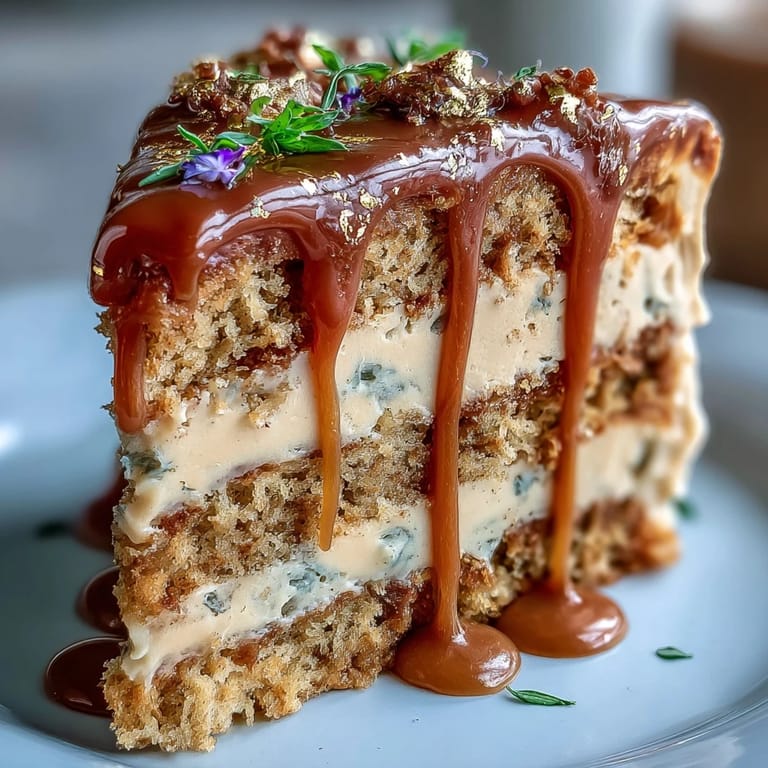
- Stack cakes with buttercream between each, then swoosh remaining frosting over the whole cake, blending colors in big, bold patterns.
- Decorate in style:
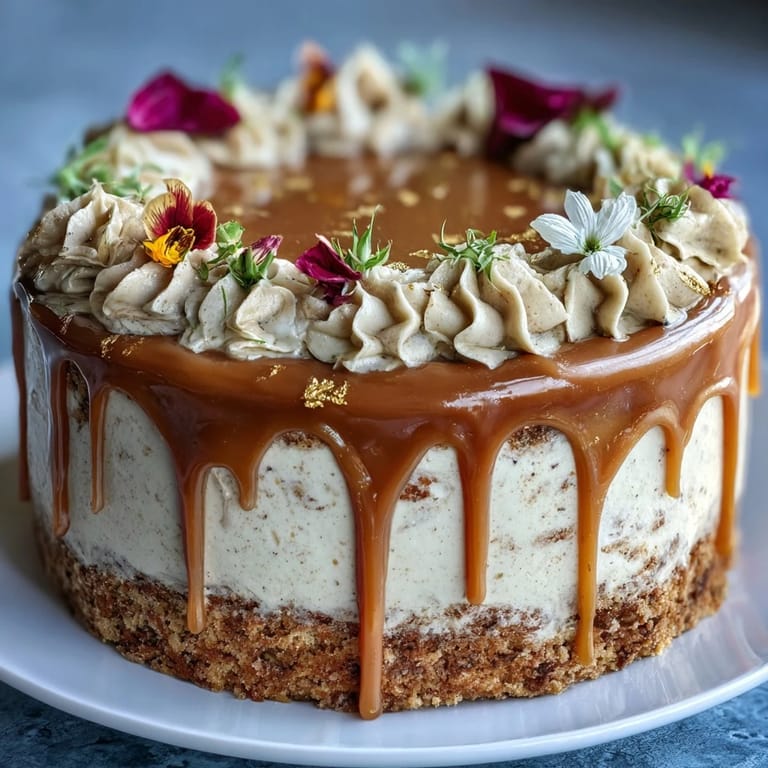
- Finish with edible flowers, small herbs, and flecks of gold if you’re feeling fancy; step back and admire your edible landscape.
 Save to Pinterest
 Watching my friends’ faces as they tasted the cake, laughter and conversation blooming around the table, I realized the real magic was sharing something that looked as lovely as it tasted. That cake became a centerpiece for more than one birthday after that night.
Working with Edible Florals and Herbs
The first time I used fresh pansies and rosemary sprigs on a cake, I was nervous they’d taste odd; instead they made every bite fresh and nuanced. Rinse gently and blot flowers with a paper towel, and keep them cold until right before you decorate so they don’t droop. If any floral or herb seems overpowering, remember that you only need a few pieces to make a statement.
How to Nail Earth Tone Buttercream
Mixing tiny bits of matcha, cocoa, turmeric, or beet powder into different bowls of buttercream turns the frosting into your artistic playground. Blend color in a little at a time and set each bowl for 5 minutes to let hues deepen before you frost. I've found natural colorants are gentle both to your palate and your eyes – subtle at first but striking when swirled together.
Serving Suggestions and Storage
This cake pairs beautifully with delicate floral teas or a lightly sweet dessert wine, which I tested at a spring garden party with much applause. Leftovers hold well covered at room temperature up to three days, but if you use fresh flowers, pop it in the fridge. Add decorations just before serving to keep everything crisp and fresh.
- Brush a tiny bit of water on flower petals to help them stick to buttercream.
- For extra Taurus flair, use gold dust just around the edges.
- Always check guests for allergies when using edible botanicals.
 Save to Pinterest
 Baking this Taurus cake brings out the painter and the gardener in me every time. Make it once, and you'll find any occasion is a little more beautiful with a slice on the table.
Frequently Asked Recipe Questions
- → How do I make the butterscotch sauce?
Melt butter, stir in packed brown sugar and cook briefly, then add cream and simmer until smooth. Remove from heat, stir in vanilla and a pinch of salt, and cool to room temperature before folding into batter.
- → Can I substitute rose water for another flavor?
Yes. Orange blossom water or additional vanilla provide a milder floral note. Use sparingly to avoid overpowering the buttercream—start with a half dose and adjust to taste.
- → Which natural colorants work best for earth tones?
Matcha for soft green, beet powder for muted pinks, cocoa for brown, turmeric for warm gold and spirulina for deep greens. Mix small amounts into separate buttercream portions until the desired hue and flavor balance are reached.
- → How can I tell when the layers are done baking?
Bake 28–35 minutes and test with a toothpick: it should come out clean or with a few moist crumbs. Allow pans to cool 10 minutes before turning out to finish cooling on a rack to prevent collapse.
- → What’s the best way to assemble and finish the cake?
Level layers if needed, spread a generous layer of buttercream between each, coat the exterior, then use swirls of tinted buttercream for an earth-inspired look. Chill 20 minutes to set before decorating with edible flowers and herbs.
- → How should leftovers be stored and for how long?
Cover at room temperature for up to 3 days. If fresh flowers are used, refrigerate and bring to room temperature before serving. For longer storage, freeze individual slices wrapped tightly.