 Save to Pinterest
 There's something about the smell of a Devil's Food cake baking that stops time in the kitchen. My grandmother kept a handwritten index card stained with cocoa powder and vanilla, the recipe so worn at the folds it barely held together. She'd make this cake for my birthday every year without fail, and somehow it tasted different each time—richer, more tender, more like her. I've spent years trying to crack why, and I think it's because she never rushed it. The boiling water startled me the first time I watched her add it, but she knew that thin batter was the secret.
I made this cake for my roommate's promotion dinner, and watching her face when she took that first bite told me everything. She closed her eyes like she was remembering something good, and later she asked for the recipe—not for her, but so she could make it for her own family someday. That's when I realized this cake does something beyond sugar and eggs; it carries moments forward.
Ingredients
- All-purpose flour (1 3/4 cups): The structure of the whole cake lives here; don't sift twice or you'll overdevelop the gluten and end up with something dense.
- Dutch-processed cocoa powder (3/4 cup): This matters more than people think—it's darker, less acidic, and gives the cake a sophisticated depth that regular cocoa can't touch.
- Granulated sugar (2 cups): The amount seems generous, but it's feeding moisture into the crumb and creating that tender, almost velvet texture.
- Baking powder and baking soda (1 1/2 tsp each): They work together here, not fighting—the baking soda reacts with the cocoa's acidity while the baking powder ensures even rise.
- Fine sea salt (1 tsp): A small pinch does tremendous work, making the chocolate taste more like itself.
- Eggs, room temperature (2 large): Cold eggs won't emulsify properly into the batter, so pull them out 30 minutes before you start.
- Whole milk and vegetable oil (1 cup and 1/2 cup): Together they create tenderness; the oil stays liquid in the crumb, the milk carries flavor.
- Pure vanilla extract (2 tsp): Cheap vanilla tastes thin and harsh against good chocolate, so this is where you splurge a little.
- Boiling water (1 cup): This seems counterintuitive, but the hot water blooms the cocoa and creates steam that lifts the cake, resulting in something almost cloud-like.
- Unsalted butter for frosting (1 cup): Softened butter is non-negotiable; cold butter won't cream properly and you'll have grainy frosting.
- Powdered sugar (3 1/2 cups, sifted): Sifting removes clumps and takes two minutes; skipping it means lumpy frosting no matter how long you beat it.
- Unsweetened cocoa powder for frosting (1 cup): Same Dutch-processed preference; it makes the frosting taste like dark chocolate, not bitter dust.
- Whole milk for frosting (1/2 cup, plus more as needed): Add it slowly and taste as you go—you want frosting that's spreadable but still holds its shape.
- Vanilla extract for frosting (2 tsp): A second dose of vanilla rounds out the frosting and prevents it from tasting one-note cocoa.
Tired of Takeout? 🥡
Get 10 meals you can make faster than delivery arrives. Seriously.
One email. No spam. Unsubscribe anytime.
Instructions
- Prepare your pans and preheat:
- Get your oven to 350°F and grease two 9-inch round pans generously, then line the bottoms with parchment circles so the cakes slide out without argument. This step feels fussy until the moment you turn out a perfect cake layer and feel like a baker.
- Sift the dry ingredients together:
- In a large bowl, sift flour, cocoa powder, sugar, baking powder, baking soda, and salt. Sifting aerates the cocoa and prevents any dense pockets in the final cake—this matters more than you'd think.
- Build the base batter:
- Add eggs, milk, oil, and vanilla to the dry mix, then beat on medium speed until you can't see any streaks of flour. The mixture will look smooth and creamy but still thick at this point.
- Add the boiling water carefully:
- Reduce the speed to low and pour in the boiling water slowly, letting it incorporate as you go. The batter will suddenly become thin and almost soupy—this is exactly right, and I promise it bakes up into something tender.
- Divide and bake:
- Pour the batter evenly between the pans and slide them into the oven. Bake for 28 to 32 minutes; a toothpick inserted in the center should come out clean with maybe a crumb or two clinging to it.
- Cool with patience:
- Let the cakes rest in their pans for 10 minutes—they're still fragile—then turn them out onto wire racks to cool completely. Rushing this step means a warm cake that falls apart when you layer it.
- Make the frosting:
- Beat softened butter on medium-high speed for a minute until it's pale and fluffy, then gradually add sifted powdered sugar and cocoa powder, beating until smooth. Add milk, vanilla, and salt, then beat until the frosting is light and spreadable, with enough body to hold peaks when you lift the beater.
- Layer and frost:
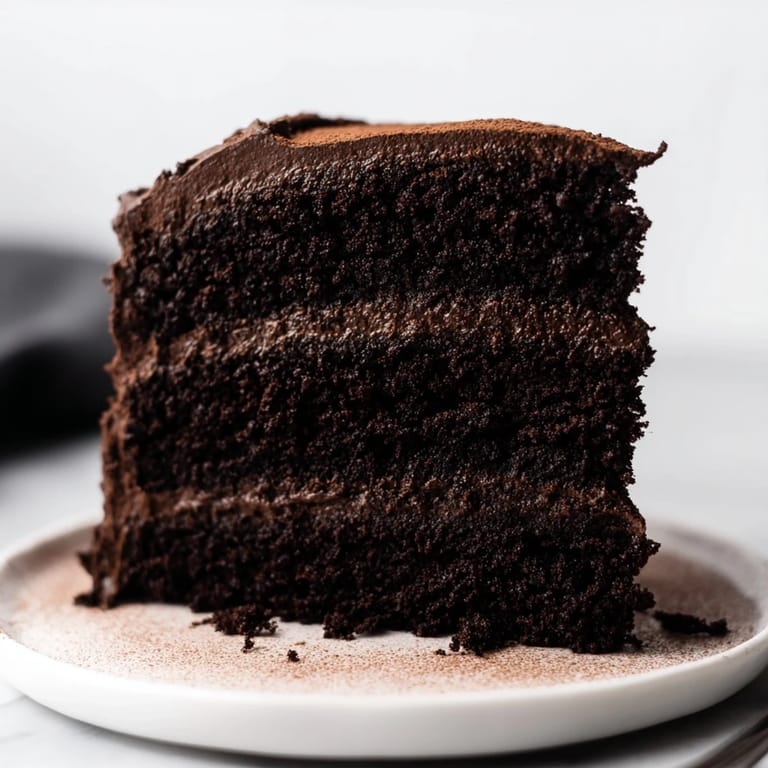
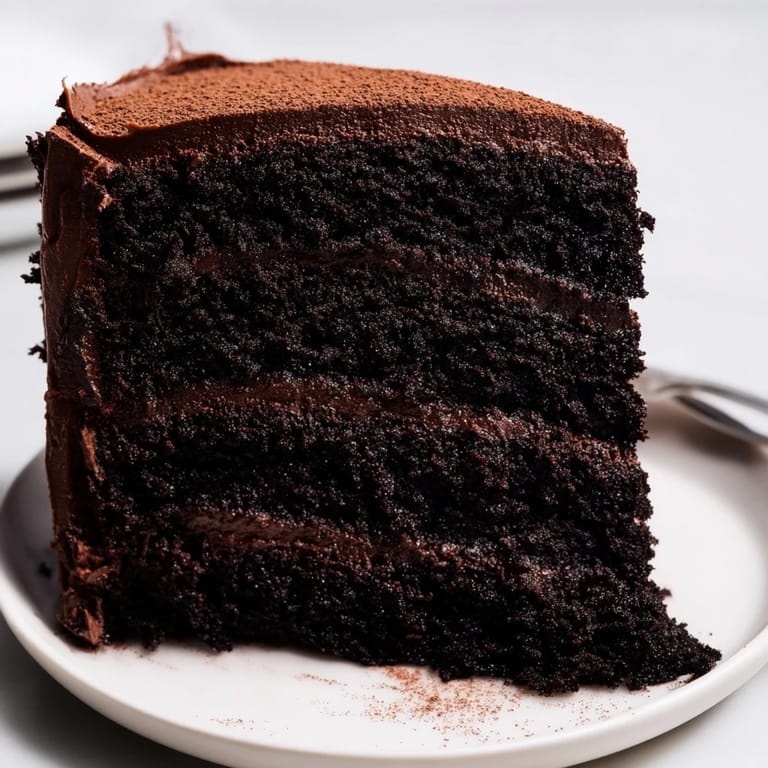
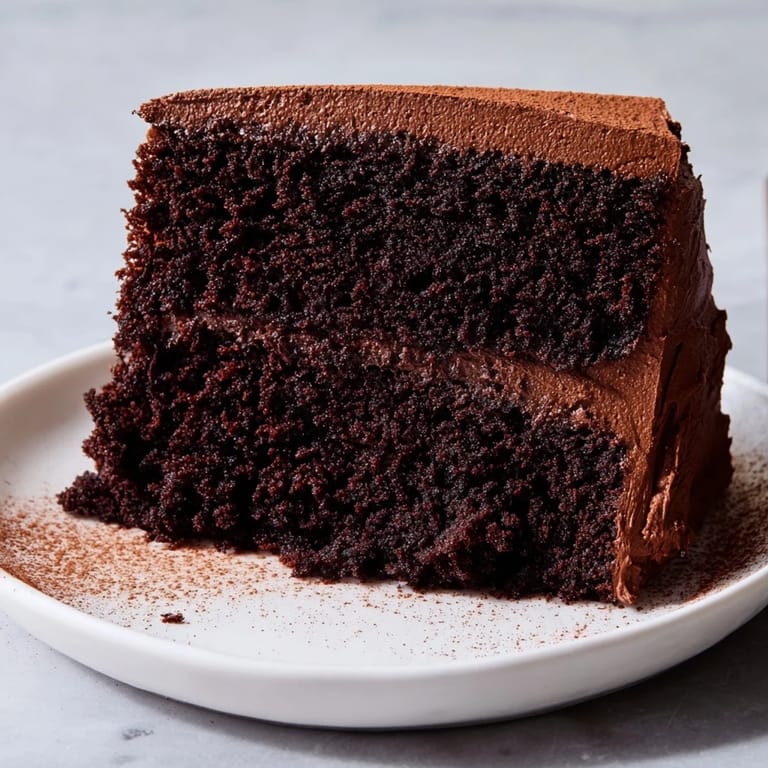
- Place one cake layer on your serving plate, spread frosting over the top in an even layer, then set the second layer on top. Frost the top and sides with whatever remains, using an offset spatula to make it look as neat or rustic as you prefer.
 Save to Pinterest
 The first time someone told me they'd been thinking about this cake for weeks and came back to make it again, I understood why my grandmother never wrote down instructions—some things are worth repeating. It's not the fanciest cake, but it's the one people ask for by name.
Why the Boiling Water Makes All the Difference
The boiling water does three things at once, and understanding this changes how you think about cake baking. First, it blooms the cocoa powder, pulling out color and depth that wouldn't emerge at room temperature—this is why the cake tastes so aggressively chocolate. Second, it creates steam in the batter as it bakes, which lifts the crumb and makes it tender instead of dense. Third, it dissolves the sugar more completely, creating a smoother, more luxurious crumb that stays moist because there's nowhere for moisture to hide. This is old-school baking technique, the kind that feels like magic until you understand the science behind it.
The Frosting Philosophy
A lot of chocolate frostings use cream or coffee, and they're delicious, but this one is pure butter and cocoa—a kind of restraint that somehow feels indulgent. The trick is not to scrimp on beating time; frosting needs air whisked into it to become fluffy, and that takes longer than most people think. When you see it transform from dense and grainy to light and spreadable, you've hit the moment—and that's when you stop. Over-beat it and you'll turn that butter back into a greasy puddle. Watch your frosting, listen to the mixer, and beat it until it looks like something you'd want to taste straight from the bowl.
Storage, Variations, and When to Make This Cake
This cake stays moist at room temperature for two days, which is when most cakes are at their best anyway—the flavors have settled and the frosting has firmed up a little. If you need it to last longer, cover it loosely with plastic wrap and refrigerate for up to five days, though the frosting can get firm straight from the cold. For richer depth, substitute half of the boiling water with brewed coffee—it sounds strange until you taste how much darker and more complex the cake becomes. Some people swear by a layer of chocolate ganache between the cakes, and they're not wrong; if you want that, let the cake cool completely, make a simple ganache with chocolate and heavy cream, and spread it on the first layer before adding the frosting.
- For a mocha version, use strong brewed coffee instead of some of the boiling water and add a teaspoon of instant espresso powder to the dry ingredients.
- If frosting ever seems too soft, chill it for 15 minutes and it'll firm up enough to spread without tearing the cake.
- A pinch of cinnamon or cayenne pepper in the batter adds something unexpected that nobody can quite identify but everyone notices.
 Save to Pinterest
 Every time I bake this cake, I think of my grandmother's stained recipe card and the way she'd taste the frosting on her finger as she mixed it. That's the spirit of this cake—unfussy, generous, and meant to be tasted and shared.
Frequently Asked Recipe Questions
- → What makes the cake ultra-moist?
Using boiling water and vegetable oil in the batter enhances moisture, ensuring a tender and soft crumb.
- → Can I substitute the boiling water with something else?
Brewed coffee can replace boiling water to deepen the cocoa flavor without overpowering the cake.
- → How is the chocolate buttercream frosting made silky?
Beating softened butter with powdered sugar and cocoa powder while gradually adding milk creates a fluffy, smooth texture.
- → What baking pans are recommended?
Two 9-inch round pans are ideal for even baking and proper layer thickness.
- → How should the cake be stored to maintain freshness?
Store covered at room temperature for up to two days or refrigerate for up to five days without losing moisture.