 Save to Pinterest
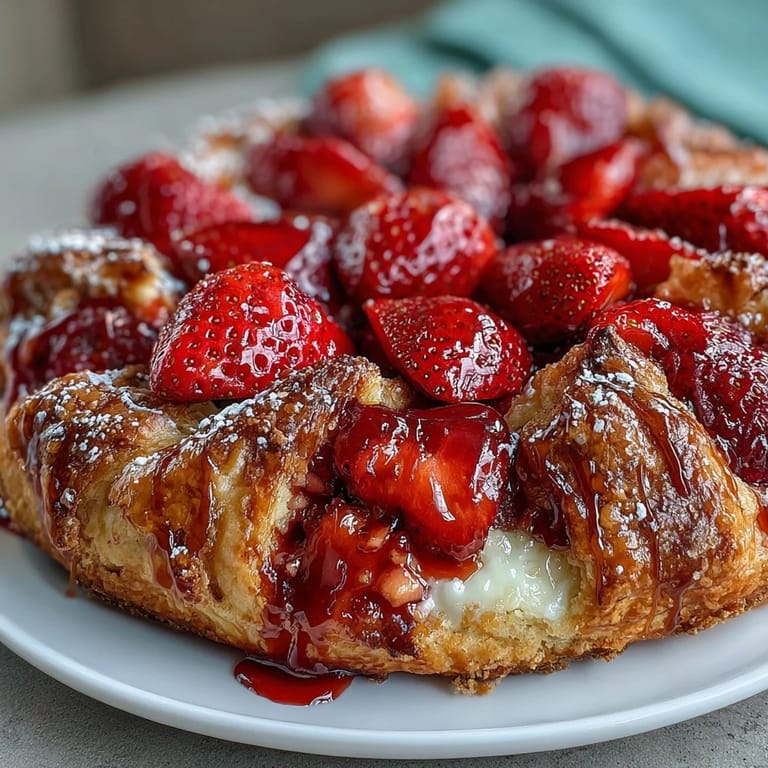
 There's something about a galette that feels less fussy than it actually is—maybe that's why I found myself making one on a lazy Saturday afternoon when a farmers market basket of strawberries was sitting on my counter, almost begging for attention. My neighbor mentioned she'd never had homemade pastry before, and suddenly I was dusting flour across my kitchen, determined to prove that rustic French tarts don't require a degree in baking. The smell of butter hitting the oven mixed with warm strawberries became the unofficial soundtrack to spring that day, and honestly, watching her face when she bit into that golden, crumbly crust made every folded edge worth it.
I made this for my sister's surprise engagement brunch, and the galette became the unexpected star of the table—everyone wanted the recipe, but what they really wanted was to know how I'd kept it warm during setup. Watching people relax around the table, laughing and sharing bites of this golden, jammy dessert, reminded me that food doesn't have to be complicated to feel special. That morning taught me that imperfect pastry edges and fruit that bubbles over slightly are exactly what make homemade desserts memorable.
Ingredients
- All-purpose flour (1 1/4 cups): Use a brand you trust; different flours absorb water differently, which changes how much ice water you'll actually need.
- Cold unsalted butter (1/2 cup): This is non-negotiable—warm butter won't create those beautiful, flaky layers, so cut it into cubes and keep it in the fridge until the last moment.
- Ice water (3-4 tbsp): Add it slowly and stop the second your dough holds together; overworking is the enemy of tender pastry.
- Almond flour (1/2 cup): Buy it fresh if you can, as it goes rancid faster than regular flour and makes a real difference in flavor.
- Fresh strawberries (2 cups): Pick berries that smell sweet and feel slightly soft; they should feel like they'll fall apart in your hands, not hard little bullets.
- Cornstarch (1 tbsp): This prevents your galette from becoming a soggy mess by absorbing the strawberry juices without making the filling gummy.
- Lemon juice (1 tsp): A small squeeze brightens the strawberries and keeps the whole dessert from tasting one-dimensional.
- Coarse sugar: For sprinkling—it sparkles when the tart comes out of the oven and adds a satisfying crunch.
Tired of Takeout? 🥡
Get 10 meals you can make faster than delivery arrives. Seriously.
One email. No spam. Unsubscribe anytime.
Instructions
- Make the pastry foundation:
- Mix flour, sugar, and salt in a bowl, then work in those cold butter cubes with your fingertips until everything looks like breadcrumbs—some pea-sized butter bits are actually your friends here. Sprinkle ice water over the mixture one tablespoon at a time, gently tossing with a fork until the dough just barely holds together when you squeeze it.
- Chill and let it rest:
- Shape the dough into a disk, wrap it in plastic, and slide it into the fridge for at least 30 minutes—or even overnight if you're planning ahead. This waiting period is where the magic happens; the gluten relaxes and the butter gets firm, which means less shrinking when it bakes.
- Blend the frangipane:
- In a separate bowl, cream together the almond flour, sugar, and softened butter until it's pale and fluffy, then mix in the egg, vanilla, almond extract if using, and a pinch of salt. The texture should be smooth and spreadable, almost like soft frosting.
- Prepare the strawberry filling:
- Toss your sliced strawberries with sugar, cornstarch, and lemon juice in a bowl and let them sit for a few minutes—this lets them release just enough juice to mingle with the cornstarch, creating a gentle thickener. Don't skip this step; it's what keeps your galette from turning into a fruit soup.
- Heat and prep your workspace:
- Preheat your oven to 400°F and line a baking sheet with parchment paper—this makes cleanup easy and prevents sticking. Take your pastry out of the fridge and let it sit for about 5 minutes so it's not rock-hard to roll.
- Roll out the pastry:
- On a lightly floured surface, gently roll the dough into a 12-inch circle, rotating it every few rolls to keep the shape even. Transfer it to your prepared baking sheet; if it breaks slightly, just patch it with a spare piece of dough—nobody will know.
- Spread the almond layer:
- Spoon the frangipane onto the center of the pastry and spread it evenly, leaving about a 2-inch border all around. This border is what you'll fold up around the filling, so don't skimp on the clearance.
- Layer on the strawberries:
- Arrange your macerated strawberries over the frangipane in whatever pattern feels right—this is your moment to be creative. Don't worry about gaps; they'll create little pockets of caramelized flavor.
- Fold the pastry edges:
- Gently pull the pastry border up and over the filling, creating loose, rustic pleats as you go—think rumpled, not perfect. Brush the exposed pastry with milk or cream and scatter coarse sugar over it.
- Bake until golden:
- Bake for 35-40 minutes, watching for the crust to turn deep golden and the filling to bubble gently at the edges. The longer it bakes, the more caramelization happens, which means more flavor.
- Cool before slicing:
- Let the galette rest on the baking sheet for about 10 minutes so it firms up just enough to slice cleanly, though warm is absolutely the best temperature to serve it.
 Save to Pinterest
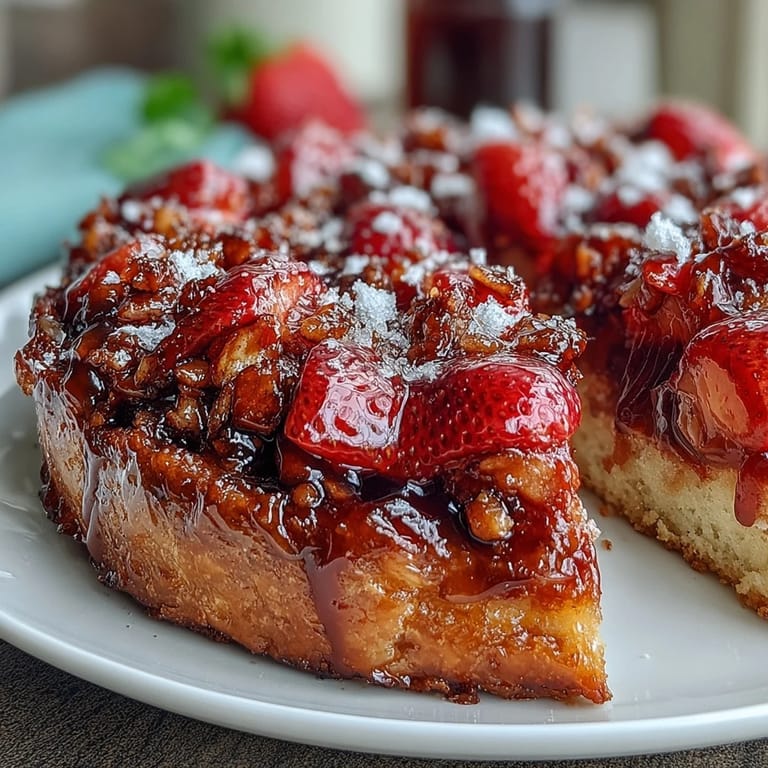
 My mom called while I was making this the second time around, and I told her I was baking a galette, which somehow made it sound fancy enough that she got quiet and asked if I was okay—as if suddenly making French desserts meant something was wrong. When I sent her a photo of it cooling on the counter, she sent back a laughing emoji and said I'd finally found something more impressive than my sourdough obsession. That's when I realized this recipe had become my thing, the one I made when I wanted to impress someone without making them feel like I'd spent all day in the kitchen.
Why Pastry Temperature Matters More Than You Think
The difference between a galette with a tender, shattering crust and one that's dense and tough comes down to butter temperature and how gentle you are with the dough. Every time you handle the pastry, friction creates heat, which softens the butter and activates the gluten—both things that work against you when you're trying to create flaky layers. That's why chilling between steps isn't lazy; it's essential, and why some bakers keep a bowl of ice water nearby while they work, dipping their hands in occasionally to keep everything as cool as possible.
The Art of the Rustic Fold
There's genuine beauty in letting your galette look imperfect, and it's worth leaning into rather than fighting against. Those uneven pleats and crooked folds are what make it look homemade and charming instead of like it came from a bakery case, and honestly, they also let steam escape unevenly, which creates pockets of extra crispness. I used to spend minutes trying to make mine look symmetrical until my mom pointed out that the crooked ones tasted better because they baked more irregularly, creating texture variations that perfect ones never achieve.
Strawberry Selection and Storage
The strawberries you choose will define this entire dessert, so pick ones that smell fragrant and feel like they're on the edge of being too soft—those are the ones bursting with juice and flavor. Store them unwashed and uncovered in the fridge until you're ready to use them, and hull and slice them just before assembly so they don't have time to weep and release all their moisture before they hit the oven. If your berries are particularly watery, you can cut them in half instead of slicing, or even use slightly smaller strawberries that won't release as much liquid.
- A ripe strawberry should smell sweet enough to detect from a few inches away; if it smells like nothing, it'll taste like nothing.
- The cornstarch amount might need adjusting depending on how juicy your berries are, so taste your berry mixture before spreading and add more cornstarch if it feels too wet.
- Make this galette as close to serving time as possible; it's best eaten within a few hours while the pastry is still crisp.
 Save to Pinterest
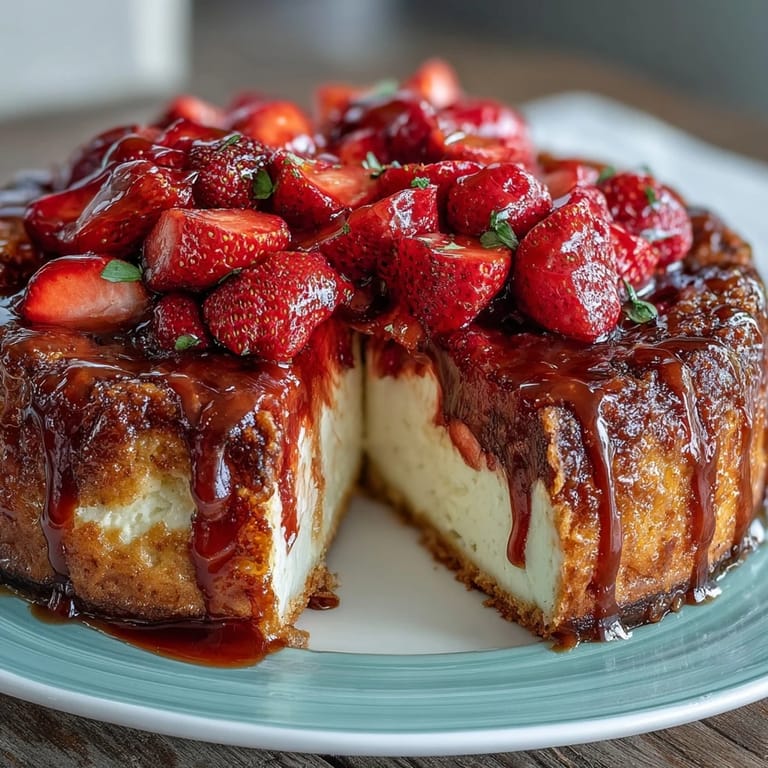
 This galette has become my go-to when I want to feel like a good baker without the stress of precision, and it never fails to make people feel cared for. Some recipes are about technique; this one is about showing up for the people you're feeding with something that tastes like thought and intention, wrapped in pastry that's allowed to be beautifully imperfect.
Frequently Asked Recipe Questions
- → What is frangipane?
Frangipane is a smooth almond-based filling made from almond flour, butter, sugar, and eggs that adds a rich, nutty flavor and moist texture to pastries.
- → Can I substitute other fruits for strawberries?
Yes, stone fruits like peaches, plums, or mixed berries work well in this galette and complement the almond filling nicely.
- → How do I ensure a crisp pastry crust?
Use cold butter and minimal water when making the dough, chill it before baking, and bake until the crust is golden for a flaky, crisp texture.
- → Is it necessary to brush the crust with milk or cream?
Brushing with milk or cream before baking helps achieve a golden, glossy finish and adds a slight richness to the edges.
- → Can I prepare the galette in advance?
You can assemble the galette and refrigerate it before baking, but for best texture, bake fresh when ready to serve.