 Save to Pinterest
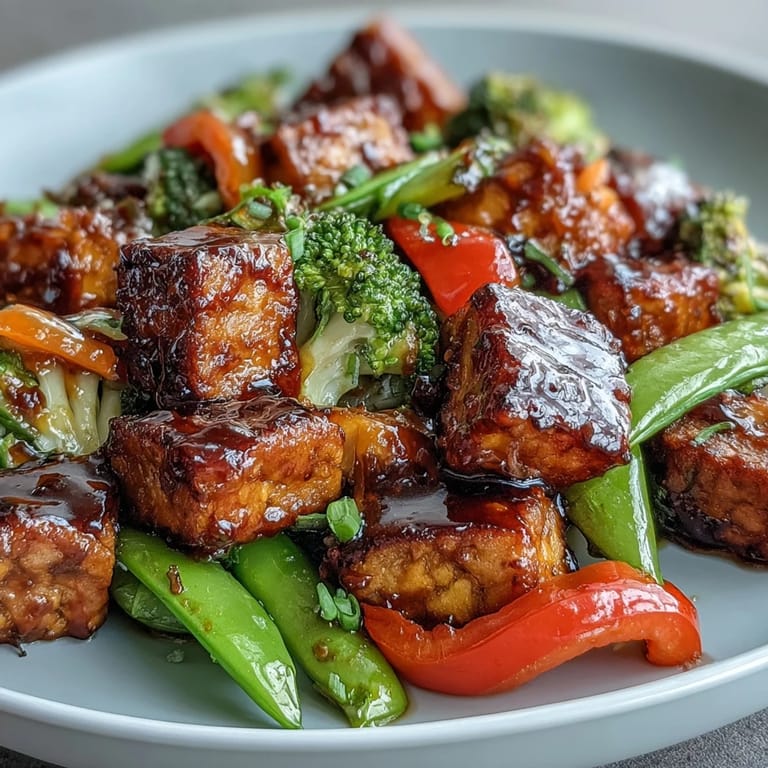
 There's something about the sound of tempeh hitting a hot wok that signals dinner is finally coming together. I discovered this stir-fry on a Tuesday when my fridge was overflowing with vegetables and I needed something that felt both indulgent and, honestly, virtuous. The nutty tempeh combined with that glossy, savory sauce turned what could have been a utilitarian meal into something I now make weekly.
I made this for a friend who'd just gone vegan and was terrified she'd be eating sad salads forever. When she took that first bite, her eyes actually widened. She's made it at least a dozen times since, and now she's the one convincing others that plant-based cooking can be genuinely delicious.
Ingredients
- Tempeh, 250 g, cut into 1 cm cubes: This fermented soy cake has a firmer texture and nuttier flavor than tofu, giving you actual substance in every bite. Cube it consistently so it cooks evenly and gets those golden edges.
- Red and yellow bell peppers, 1 each, sliced: The color contrast isn't just for show; each color brings slightly different sweetness and texture to the party.
- Carrot, 1 medium, julienned: Julienne it thin enough to cook quickly but thick enough not to disappear into the sauce.
- Sugar snap peas, 100 g, trimmed: These stay crisp no matter what, which is exactly why they belong in a stir-fry.
- Broccoli florets, 100 g: Cut them small so they cook through without turning to mush.
- Spring onions, 2, sliced: Save these for the very end; they brighten everything with a sharp, fresh note.
- Garlic and ginger, 2 cloves and 2 cm piece: Mince them fine so they dissolve into the oil and perfume the entire dish within seconds.
- Soy sauce, 3 tbsp (or tamari for gluten-free): This is your umami backbone; don't skimp or dilute it.
- Rice vinegar, 1 tbsp: The acid cuts through richness and balances the sweetness perfectly.
- Maple syrup or agave, 1 tbsp: Just enough sweetness to round out the sauce without making it cloying.
- Toasted sesame oil, 1 tsp: A small amount goes a long way; raw sesame oil tastes different and won't give you that roasted aroma.
- Cornstarch, 1 tsp: This thickens the sauce just enough to coat everything glossily.
- Vegetable oil, 2 tbsp: Use something neutral like sunflower or canola; olive oil burns at wok temperatures.
- Sesame seeds and cilantro, optional: These finish the dish with texture and a burst of freshness.
Tired of Takeout? 🥡
Get 10 meals you can make faster than delivery arrives. Seriously.
One email. No spam. Unsubscribe anytime.
Instructions
- Whisk your sauce first:
- In a small bowl, combine soy sauce, water, rice vinegar, maple syrup, sesame oil, and cornstarch. This prevents scrambling to find everything later and gives the cornstarch time to fully hydrate. Set it aside and forget about it for now.
- Toast the tempeh until golden:
- Heat 1 tablespoon of oil in a large wok or skillet over medium-high heat, then add tempeh cubes. Don't stir constantly; let each side touch the hot surface for a minute or two until it develops that nutty, caramelized exterior. This takes about 4 to 5 minutes total, and it's the difference between tempeh that tastes like cardboard and tempeh that tastes like you meant it.
- Build flavor with aromatics:
- Push tempeh aside, add the remaining tablespoon of oil, then immediately add minced garlic and ginger. The heat will release their oils almost instantly, and your whole kitchen will smell incredible within 30 seconds. Don't let them burn; that sharp, bitter flavor ruins everything.
- Stir-fry vegetables until crisp-tender:
- Add peppers, carrot, sugar snap peas, and broccoli, then keep everything moving with a spatula or wooden spoon. You want about 4 to 5 minutes here, where the vegetables are no longer raw but still have some snap when you bite them. This is where patience helps; too much fussing means they'll overcook unevenly.
- Bring it all together:
- Return the cooked tempeh to the wok, give the sauce a final stir (cornstarch settles), then pour it over everything. Toss constantly for 1 to 2 minutes until the sauce thickens slightly and coats each piece. It should look glossy, not soupy.
- Finish with freshness:
- Remove from heat and stir in spring onions while everything's still hot enough that they soften slightly but keep their bite. Scatter sesame seeds and cilantro on top if you're using them, then serve immediately over rice or noodles.
 Save to Pinterest
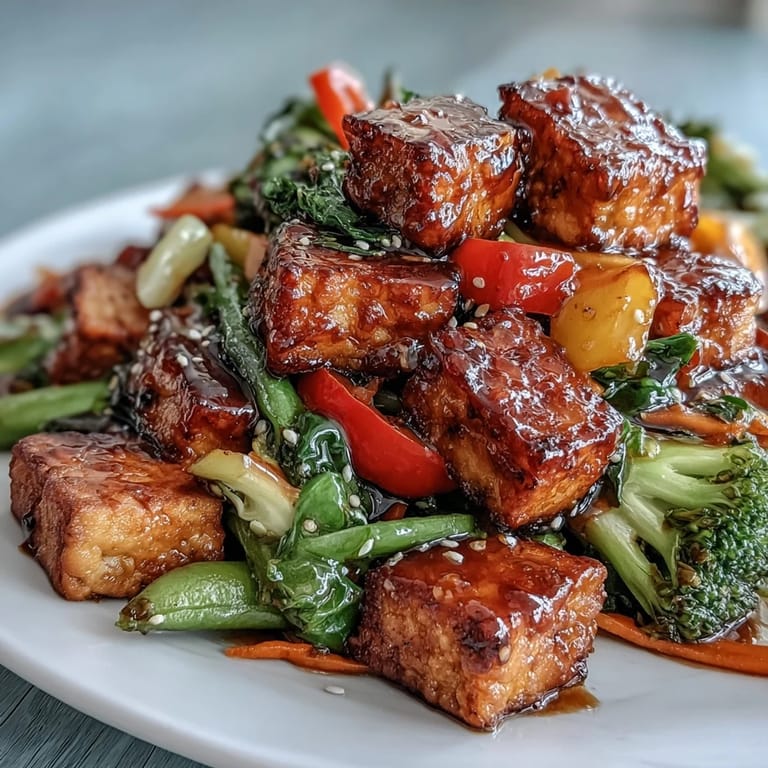
 This dish has become my go-to when I want to feel like I've actually cooked something impressive while barely breaking a sweat. There's something deeply satisfying about watching separate ingredients transform into something cohesive in just 15 minutes.
Why High Heat Matters
A wok or large skillet over medium-high heat is non-negotiable here. The high temperature creates what restaurants call the wok hei, or breath of the wok, giving everything those charred, caramelized edges that you simply cannot achieve on medium heat. If your pan isn't hot enough, the tempeh steams instead of crisps and vegetables release water instead of caramelizing.
Making It Your Own
I've made this dish with mushrooms, baby corn, snow peas, zucchini, and even leafy greens, and it works every time. The sauce is forgiving enough to adapt to whatever vegetables are in season or calling from your crisper drawer. For extra heat, add chili flakes or a generous splash of sriracha; for deeper flavor, swap in a tablespoon of oyster sauce if you're not vegan.
What to Serve Alongside
Jasmine rice is my default, though soba noodles or even a simple grain like quinoa work beautifully. The stir-fry's sauce pairs so well with something absorbent that soaks it all up. I've also served this over steamed rice for a lighter approach and over crispy chow mein for when I want maximum indulgence.
- Make extra sauce if you're serving over rice; it adds moisture and flavor where noodles might not stretch far enough.
- Cook your rice or noodles before you start the stir-fry so everything comes together at the same moment.
- If doubling this recipe, make sure your pan is truly massive or cook in two batches rather than risking crowding.
 Save to Pinterest
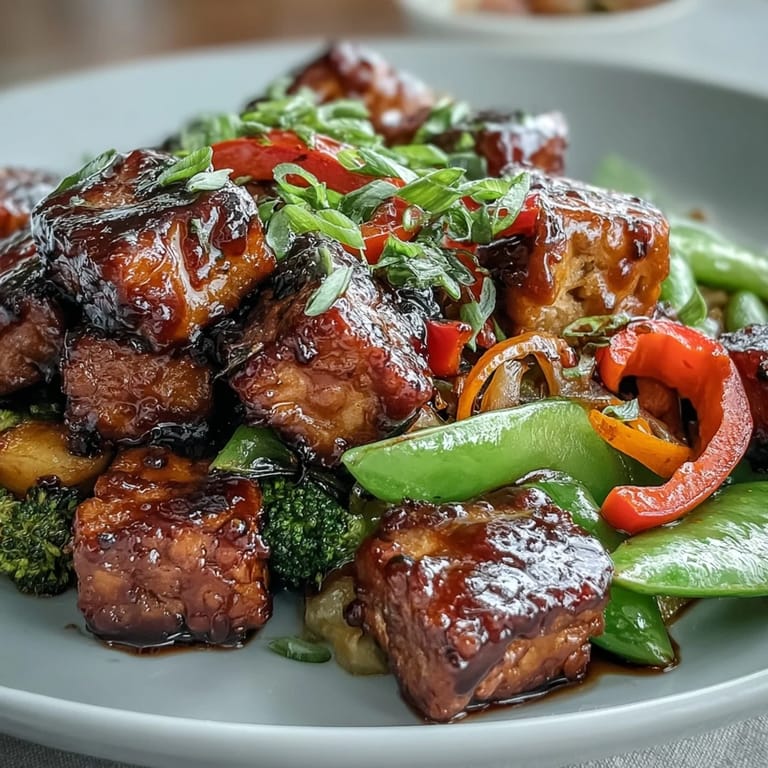
 This stir-fry proves that vegan cooking isn't about sacrifice; it's about knowing which flavors and techniques make every ingredient shine. Make it once, and it'll become a friend in your kitchen.
Frequently Asked Recipe Questions
- → What makes tempeh different from tofu?
Tempeh is made from fermented whole soybeans, giving it a firm texture and nutty, earthy flavor. Unlike tofu's mild taste, tempeh stands up well to stir-frying and absorbs sauces beautifully while maintaining its shape.
- → Can I make this gluten-free?
Yes, simply substitute regular soy sauce with tamari or coconut aminos. All other ingredients including tempeh, vegetables, and cornstarch are naturally gluten-free.
- → What vegetables work best in this stir-fry?
Bell peppers, broccoli florets, sugar snap peas, and carrots provide excellent texture and color contrast. Feel free to swap in mushrooms, baby corn, zucchini, bok choy, or snow peas based on season and preference.
- → How do I store and reheat leftovers?
Store cooled stir-fry in an airtight container for up to 3 days. Reheat in a skillet over medium heat, adding a splash of water if needed to loosen the sauce. Avoid microwaving as vegetables may become soggy.
- → What should I serve with this dish?
Steamed jasmine rice, brown rice, or soba noodles make excellent bases. The stir-fry also works over cauliflower rice for a low-carb option or wrapped in lettuce cups for a fresh twist.