 Save to Pinterest
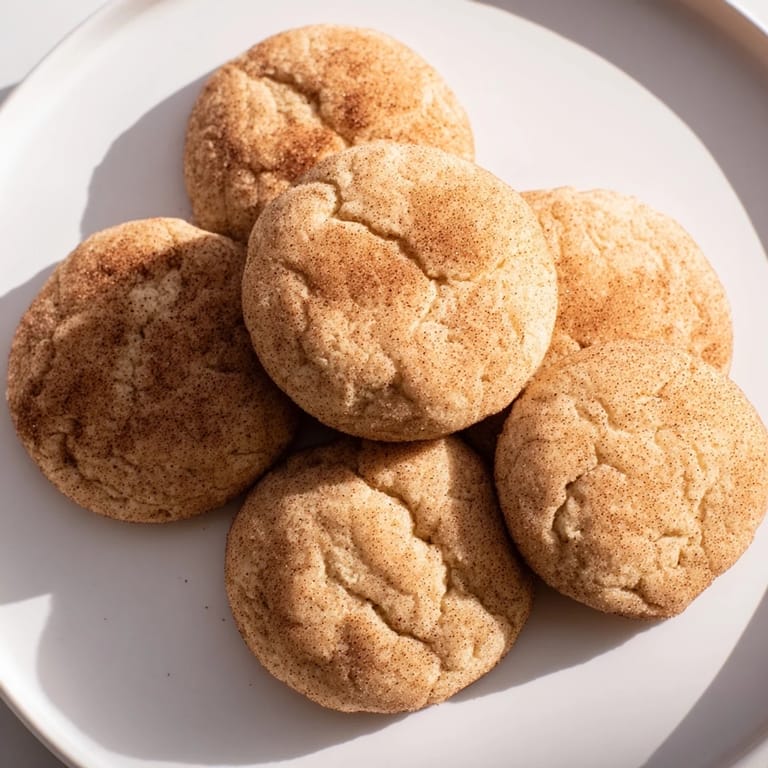
 My mom's kitchen always smelled like cinnamon on baking day, and snickerdoodles were her signature move. I'd watch her roll those dough balls in that sweet cinnamon sugar coating, and somehow the simple combination felt like magic. The cream of tartar was her secret—she never explained it, just whisked it into the flour with this knowing nod. Years later, I finally understood: that ingredient is what gives snickerdoodles their distinctive tang and chewy-edged texture that sets them apart from every other sugar cookie. Now they're the first thing I bake when I want to feel like I'm back in that kitchen.
I brought a batch to my college roommate's late-night study session, and she ate four in a row before looking up from her textbook. That moment—her surprised face, the way she immediately reached for another—taught me that snickerdoodles are the kind of cookie that says "I care" without trying too hard. They've become my go-to gift, the thing people remember me for.
Ingredients
- All-purpose flour (345 g): The foundation that keeps these cookies tender, not cakey—make sure it's fresh and not compacted in the bag.
- Cream of tartar (2 teaspoons): This is the secret that separates snickerdoodles from ordinary sugar cookies, creating that subtle tang and chewy texture.
- Baking soda (1 teaspoon): Works with the cream of tartar to create the perfect rise and that signature crackle on top.
- Salt (1/2 teaspoon): Doesn't make them taste salty—it amplifies the sweetness and balances the cinnamon.
- Unsalted butter (226 g), softened: Room temperature is non-negotiable; cold butter won't cream properly and your cookies will be dense.
- Granulated sugar (300 g plus 50 g for coating): The first amount creams with butter for structure, while the coating sugar adds that appealing sparkle.
- Large eggs (2): They bind everything together and add richness that makes cookies feel homemade.
- Pure vanilla extract (1 teaspoon): Don't skip the quality here; it's noticeable in something this simple.
- Ground cinnamon (2 teaspoons): Fresh cinnamon makes all the difference—if yours is older than a year, replace it.
Tired of Takeout? 🥡
Get 10 meals you can make faster than delivery arrives. Seriously.
One email. No spam. Unsubscribe anytime.
Instructions
- Set your stage:
- Preheat your oven to 375°F and line two baking sheets with parchment paper. This step matters more than you'd think—cold sheets lead to flat cookies, and parchment paper prevents the bottoms from browning too fast.
- Build your dry mixture:
- Whisk together flour, cream of tartar, baking soda, and salt in a medium bowl and set it aside. The whisking aerates the flour and distributes the leavening agents evenly so every cookie rises consistently.
- Cream butter and sugar:
- In a large bowl, beat softened butter with 1½ cups sugar for about 2–3 minutes until the mixture is pale and fluffy. This is where your cookies get their tender crumb—don't rush it, and don't use cold butter.
- Incorporate eggs and vanilla:
- Beat in eggs one at a time, waiting for each to fully incorporate, then add vanilla extract. This creates an emulsion that makes cookies tender and gives them that slight chew.
- Bring everything together:
- Gradually add the dry mixture to the wet ingredients, mixing just until combined. Overmixing develops gluten and makes cookies tough, so stop as soon as you don't see streaks of flour.
- Prepare the cinnamon coating:
- In a small bowl, mix together ¼ cup sugar and 2 teaspoons cinnamon. This is your signature finish, so don't skimp on the cinnamon.
- Shape and coat:
- Scoop tablespoon-sized portions of dough and roll them into smooth balls between your palms, then roll each ball in the cinnamon sugar until evenly coated. The dough should be soft but hold together—if it's too warm, chill it for 10 minutes.
- Space them properly:
- Place coated dough balls 2 inches apart on the prepared baking sheets. They'll puff up and spread slightly, and proper spacing ensures even baking.
- Bake with intention:
- Bake for 9–11 minutes, watching for edges that look set while the centers still look slightly underdone. The cookies will continue to cook on the hot baking sheet after you remove them from the oven.
- Cool with patience:
- Let cookies rest on the baking sheet for 5 minutes—this lets them set enough to transfer without breaking—then move them to a wire rack to cool completely. If you transfer them too early, they'll tear.
 Save to Pinterest
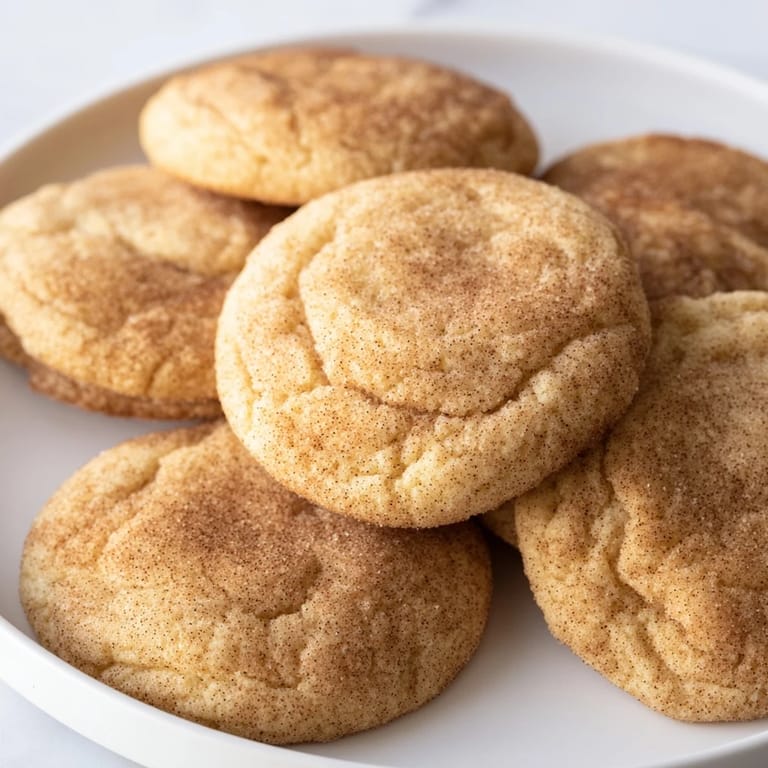
 My dad once dunked a snickerdoodle in his coffee and got that moment where the bottom was warm and gooey while the cinnamon sugar coating stayed crisp on top. He didn't say anything, just smiled, and I realized then that these cookies work as the comforting backdrop to ordinary moments. They're not fancy or trendy—they're just reliable, warm, and somehow exactly what you need.
The Cream of Tartar Magic
Cream of tartar isn't just an ingredient; it's the difference between these and every other sugar cookie. It's an acid that reacts with baking soda to create that distinctive tang and slightly chewy, almost cakey texture that makes snickerdoodles instantly recognizable. When I first made them without it, they were flat, crispy, and completely forgettable. Once I added it back, they had character—a subtle flavor note that lingers and makes people ask what's different about them.
Texture and Timing
The sweet spot between underbaked and overdone is narrow but worth hunting for. Bake too long and they're crispy throughout—delicious, but not a snickerdoodle. Underbake even slightly and you get that contrast of soft, almost gooey centers with set edges, which is exactly what makes them special. I learned this by ruining a batch on high heat and another by leaving them in too long, but now the timing is second nature.
Storage and Keeping Them Fresh
These cookies keep beautifully for up to five days in an airtight container, and they actually improve slightly as they sit—the flavors meld and they become even softer. If you want them to stay pillowy instead of drying out, let them cool completely before storing, and keep them away from heat and humidity. Try placing a piece of bread in the container alongside the cookies; it absorbs moisture and keeps them chewy instead of stale.
- Store in an airtight container to prevent them from absorbing odors from your kitchen.
- A slice of bread or a small piece of apple in the container keeps them soft and tender longer.
- If they do harden, seal them with the bread for a day and they'll soften back up.
 Save to Pinterest
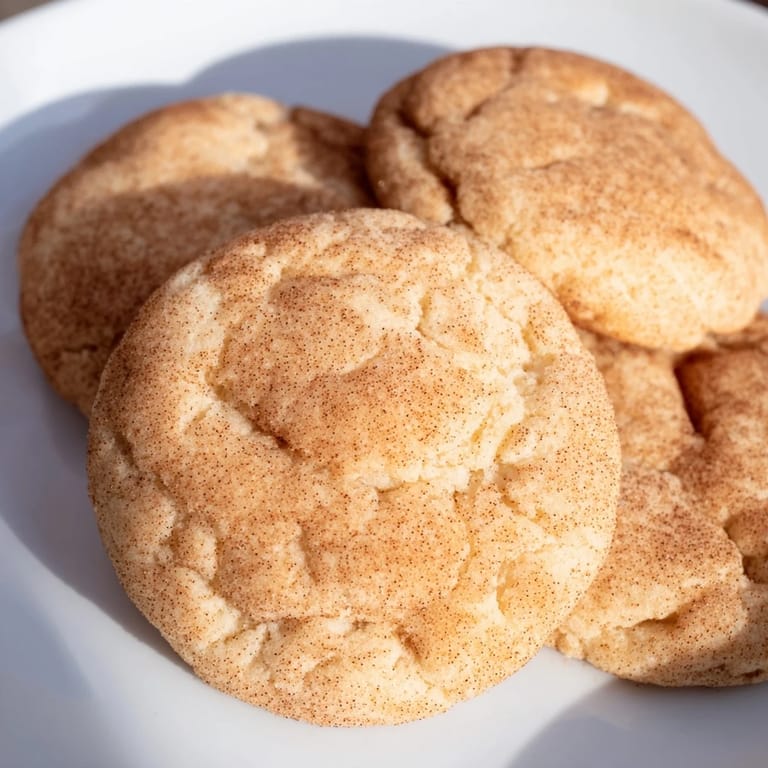
 There's something timeless about a snickerdoodle cooling on the counter, cinnamon sugar still glistening in the light. They're the kind of cookie that tastes like home, no matter where you're baking them.
Frequently Asked Recipe Questions
- → What gives snickerdoodles their signature tang?
The cream of tartar in the dough provides the classic tangy flavor characteristic of snickerdoodles.
- → How can I make the cookies extra soft?
Slightly underbaking the cookies and allowing them to cool completely helps maintain a soft, pillowy texture.
- → What is the purpose of rolling dough in cinnamon sugar?
Rolling each dough ball in cinnamon sugar creates a sweet, spiced crust that enhances flavor and adds a pleasant crunch.
- → Can I substitute any ingredients for texture variations?
Replacing half the butter with shortening yields a puffier cookie with a lighter texture.
- → How should these treats be stored for freshness?
Store cooled cookies in an airtight container at room temperature; they stay fresh for up to five days.
- → What tools are helpful for making these treats?
An electric mixer, mixing bowls, baking sheets, parchment paper, and a wire rack support easy preparation and cooling.